Smyth · 31 models

Delicate signature creasing on your Smyth Magnum 75

Signatures need a crease that is defined enough to hold the fold and gentle enough not to mark the sheet. The metal score on your Smyth Magnum 75 gives you one fixed profile and asks you to live with it. Three colour-coded ribs, chosen by sheet weight, give you the right one.

A signature has to be creased before it is sewn, and the crease has to do two things at once. It has to be deep and defined enough that the section folds where it should and sits properly in the line. And it has to be gentle enough not to mark or weaken the sheet, because on lightweight and porous stock the damage shows and the signature has to open cleanly for sewing.

A metal score struggles to do both. Press it hard enough to define the fold and it bruises or breaks the sheet. Back it off to protect the stock and the crease is too shallow to hold the fold. One fixed profile, and neither setting is right for every signature that comes through.

This is what sits in its place:
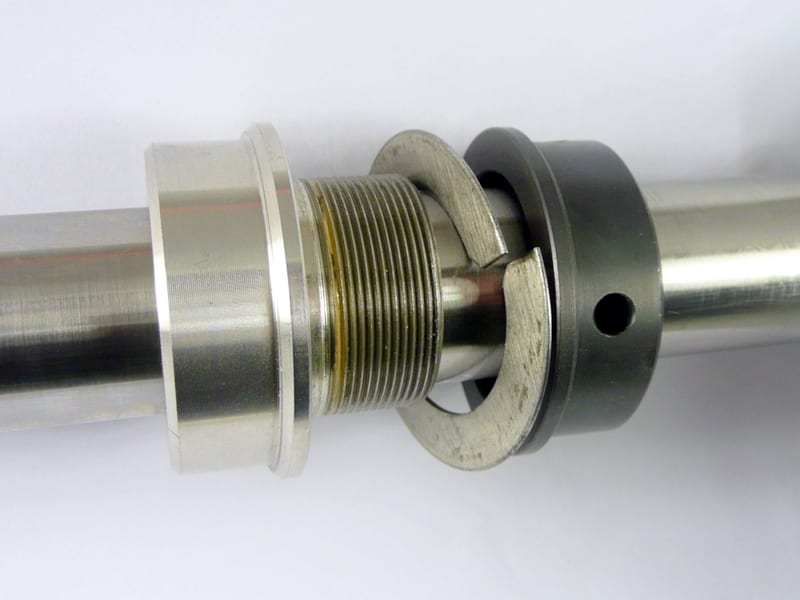
A sprung steel scoring ring, the fixed-profile alternativeA metal score
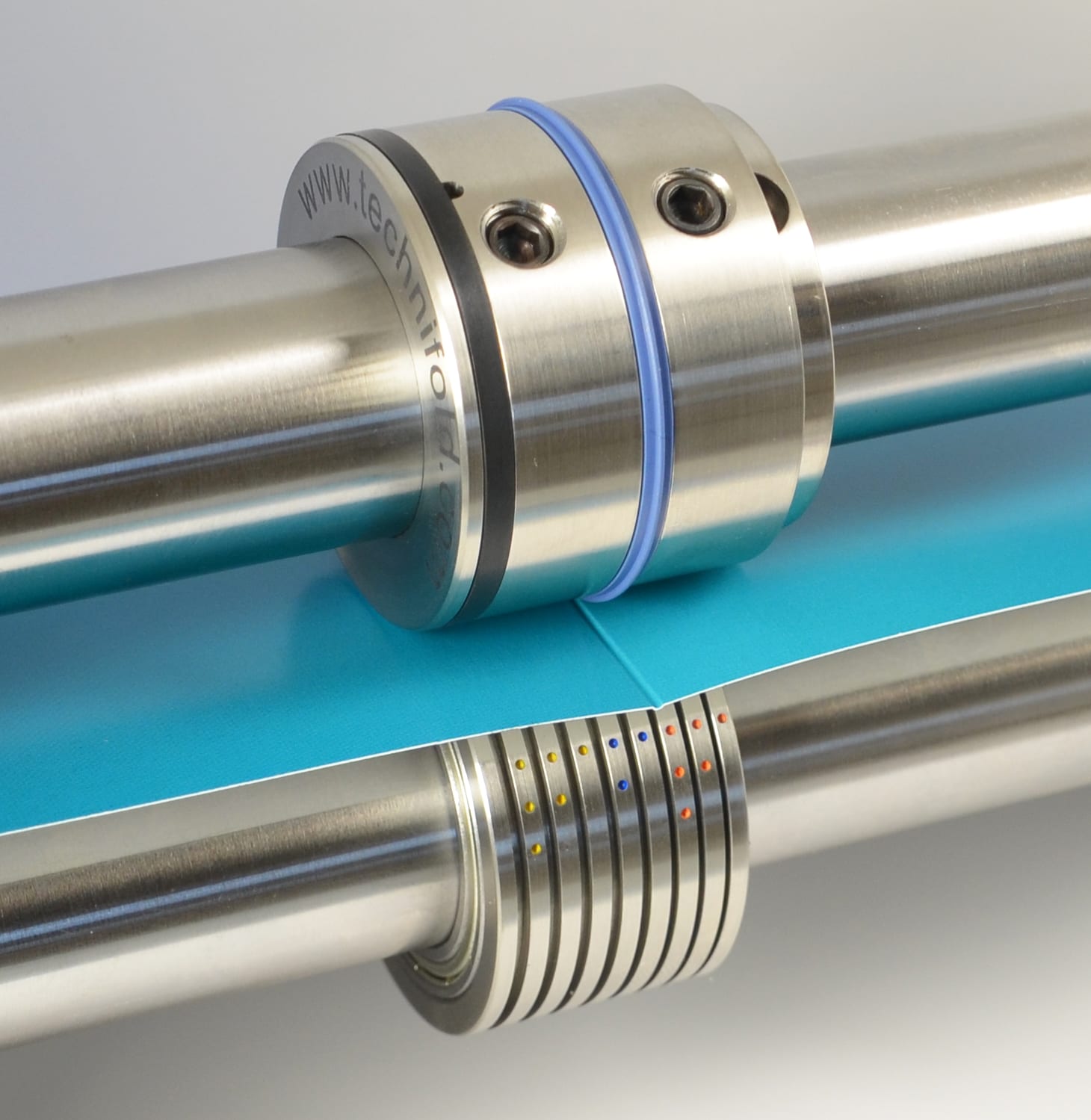
Tri-Creaser Fast-Fit rubber rib pressing stock into its matched channelThe Fast-Fit creasing unit
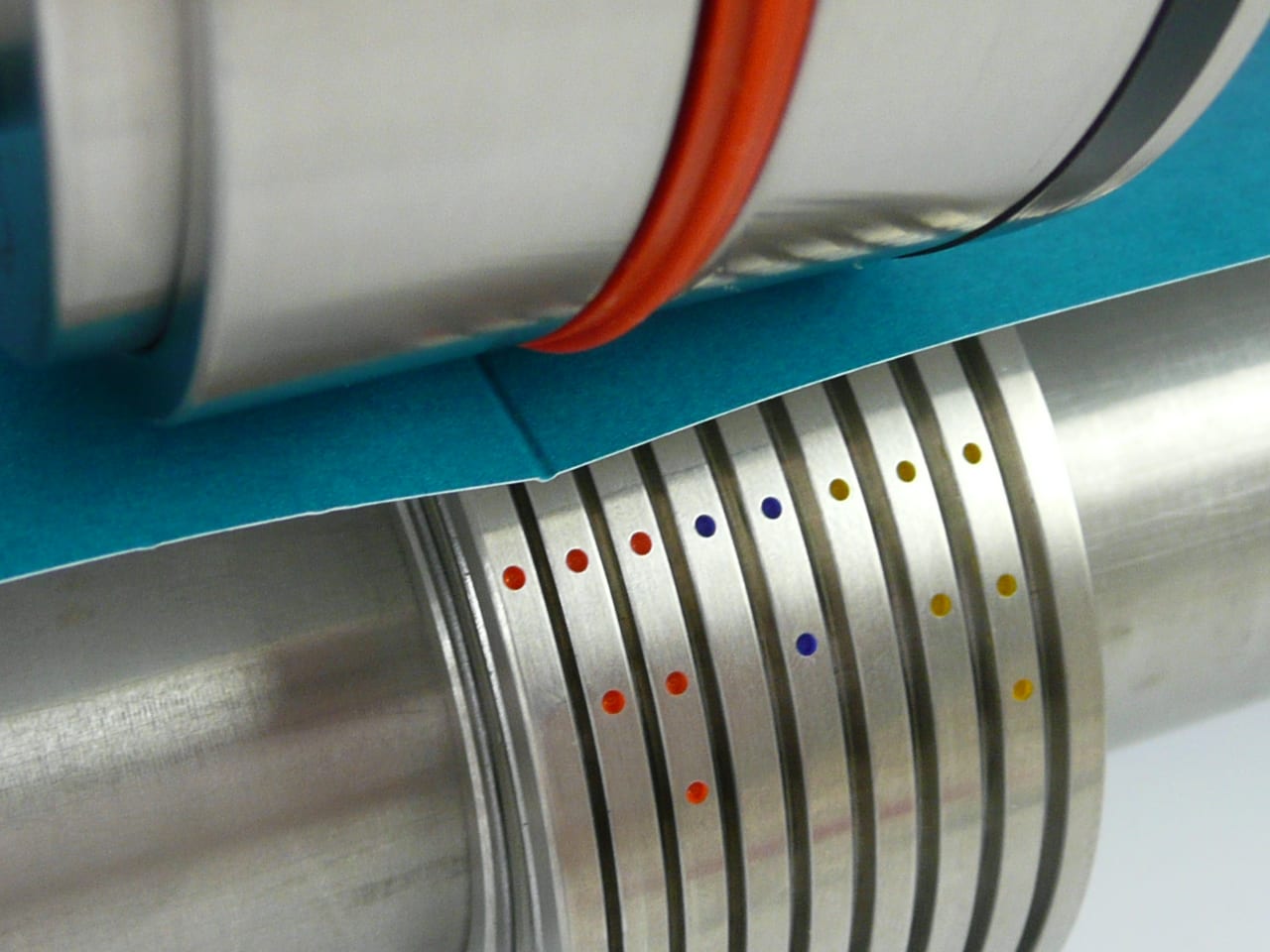
Steel cuts one fixed profile into every sheet. The Fast-Fit presses the sheet into a matched channel with a rubber rib, so the crease is formed rather than scored, and the depth is chosen to suit the stock.

The creasing unit is three creasers, not one. Each carries a different colour rib, and the operator selects the one that suits the weight of the sheet being creased. So a light, porous signature and a heavy cover get the crease each actually needs, from the same unit, on the same machine.

Because the ribs are split, changing one takes moments and does not mean removing the creaser shafts. That matters on a sewing line, where the job changes and the machine is expected to keep running.

Three ribs, chosen by sheet weight
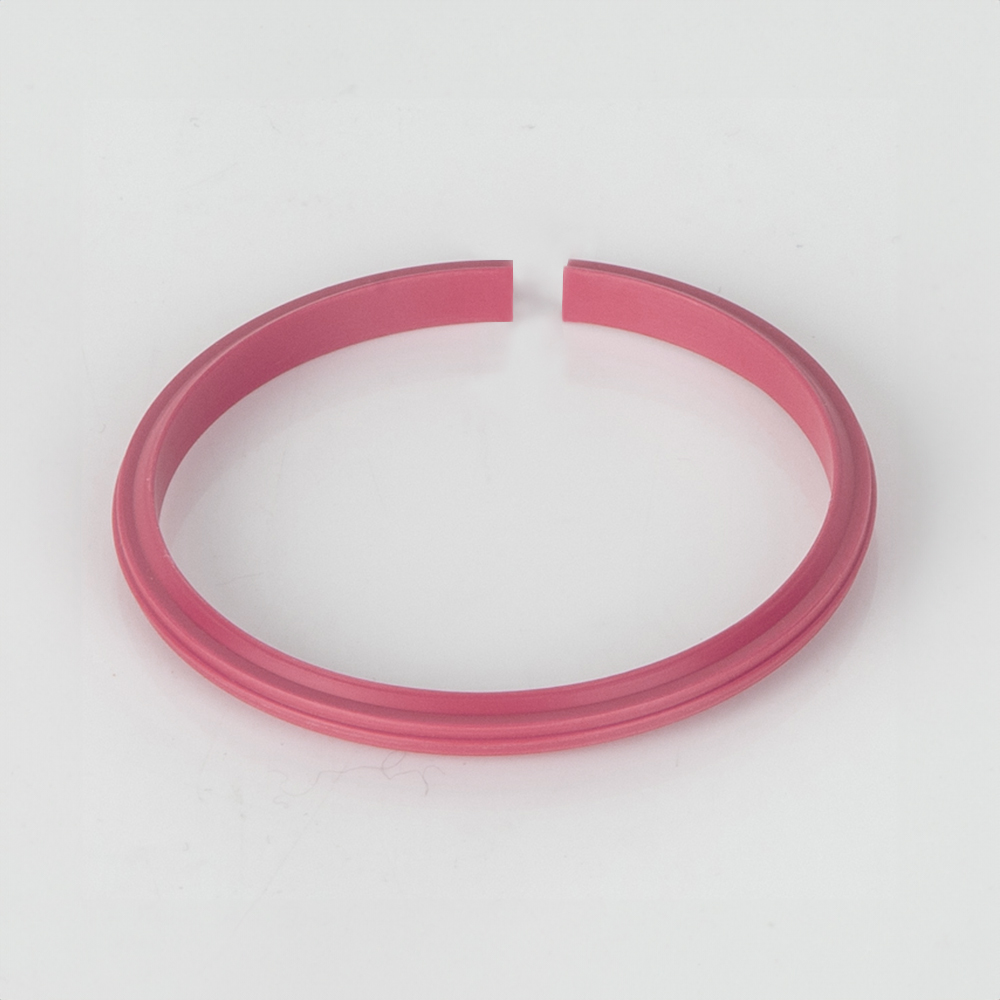
Pink EnduraCrease split creasing rib
Pink
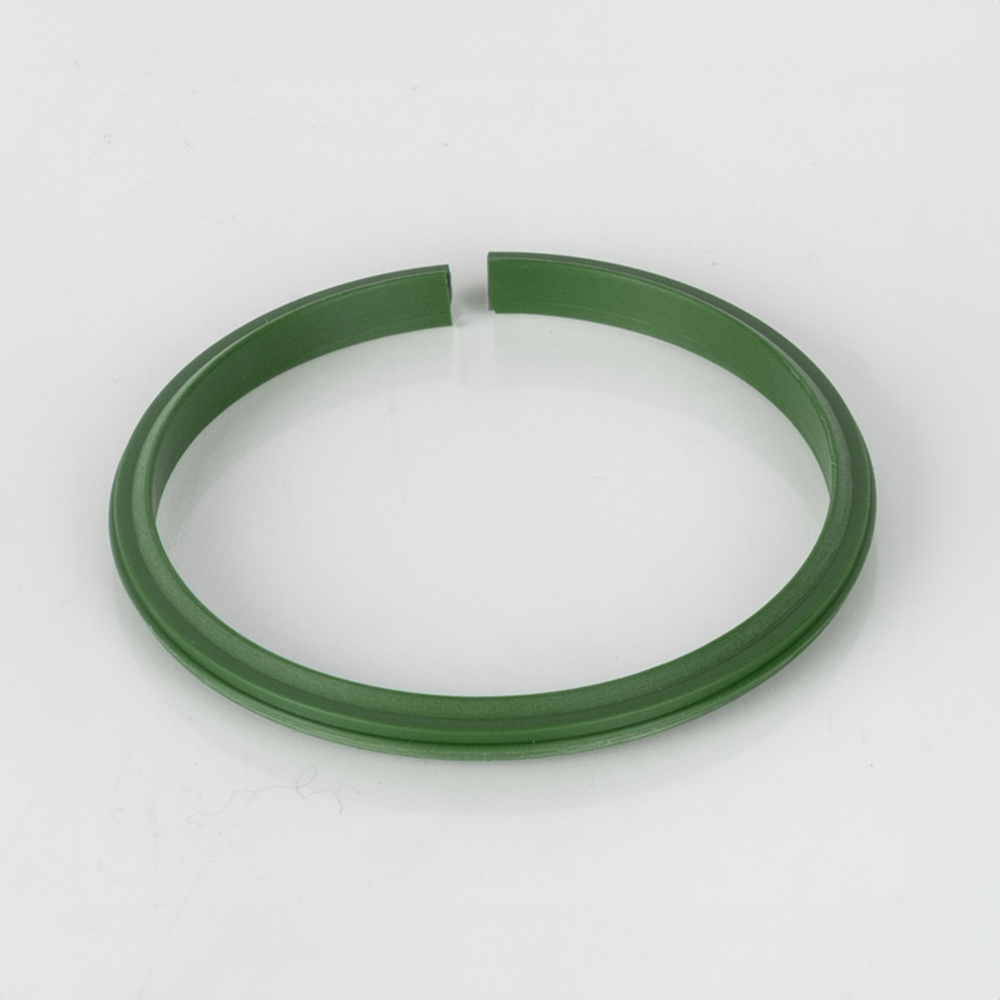
Green EnduraCrease split creasing rib
Green
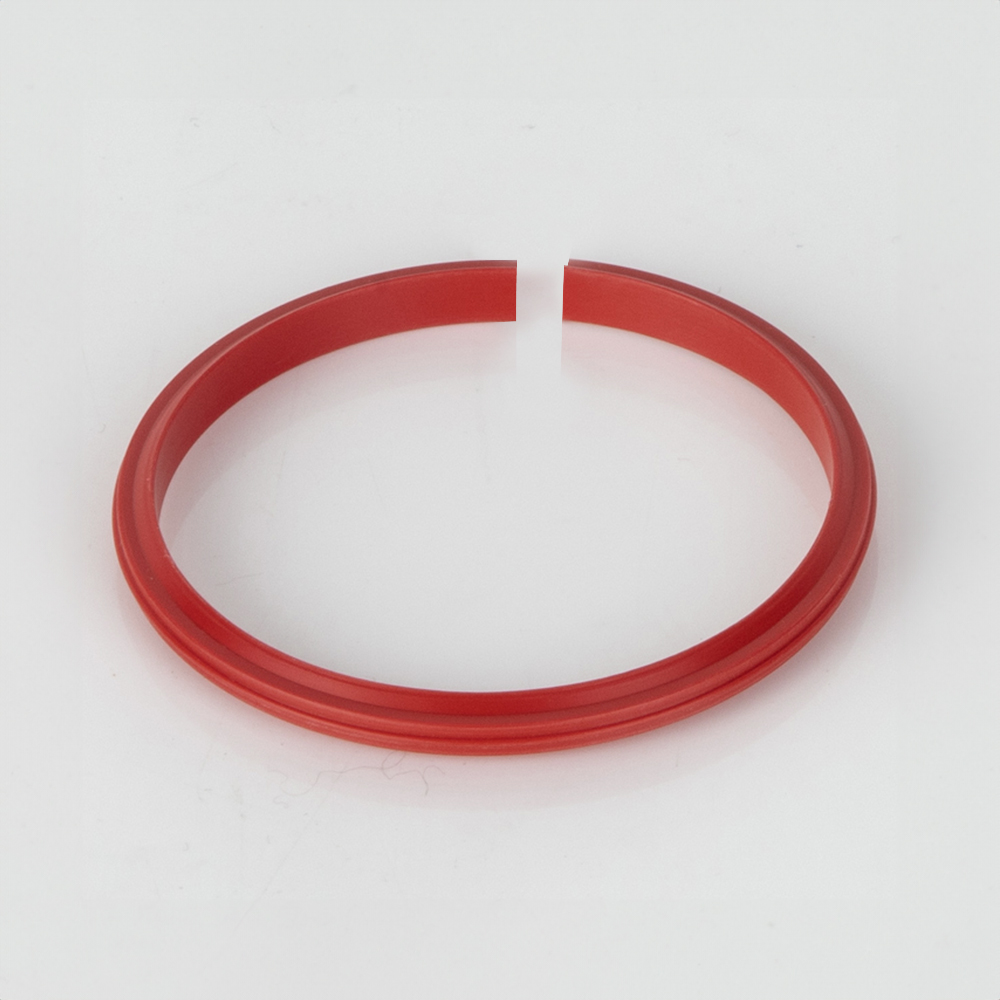
Red EnduraCrease split creasing rib
Red
Split ribs, swapped without pulling the shafts. The ribs are consumables: when a crease starts to lose definition, the rib is what gets replaced, not the tool.
Email me exactly what fits my machine →

No payment details. No commitment.

The Fast-Fit creasing unit, and how a rib is changed.
Rubber creasing rib pressing stock into its channel between the shafts
The rib pressing the sheet into its channel, not scoring it.

The facts

Creases
Formed by a rubber rib against a matched channel, not scored
Settings
Three colour-coded ribs, selected by sheet weight
Changeover
Split ribs swap in moments, no shaft removal
Fits
Built per machine: Smyth and Meccanotecnica shafts differ in outside diameter, so each takes its own tool
Proven
45,000+ tools running in 79 countries, since 1999

Also on other Smyth machines

We solve this on 31 Smyth machines as well. Pick yours to see what else we solve on it, or tell us which you run and we’ll email you the exact fit.

31 models

Everything we do for Smyth machines · This problem on any make

Tell us the machine you run and the jobs it struggles with.

We’ll email you exactly what fits and what it costs, specified by the engineers who make the tools, not picked from a catalogue.

No payment details. No commitment. A money-back promise has backed this tooling since 1999.

Not ready to talk? We’ll post you a free sample pack, creased, perforated and cut on our own tooling, so you can see the finish first.

Prefer to browse? Find your machine or see the tool families.