
The metal score in your perfect binder is one piece of steel with the crease machined into it. One width, one depth, decided the day it was ground, and identical for every job you will ever run: thin text-weight cover or heavy laminated board, it gets the same crease.
The only adjustment the machine offers is pressure. Wind it on to force a deeper crease and you trade one fault for another: marking, cracking, covers that bruise along the fold. The crease itself never actually changes, because it cannot.
This is the difference between a fixed profile and a setting:
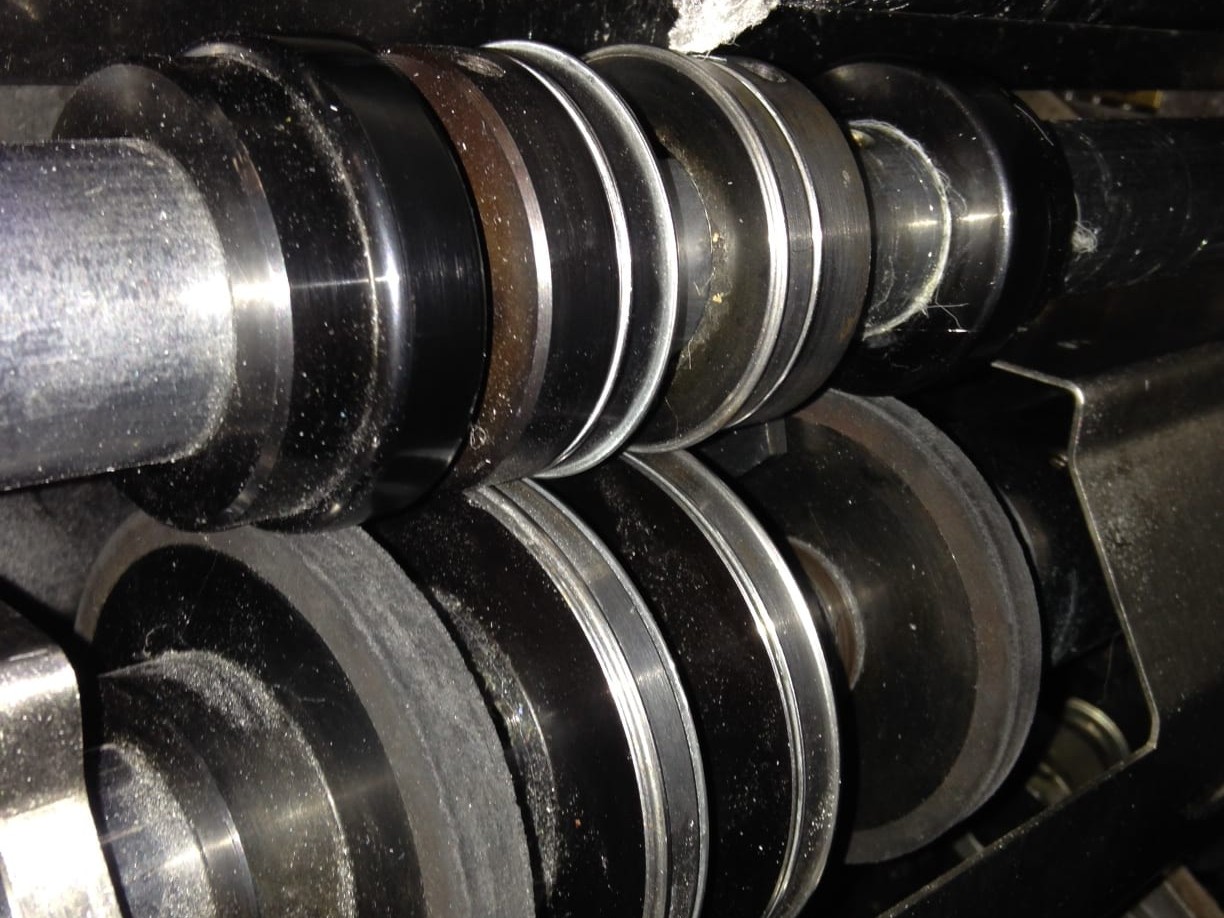 One profile, forever
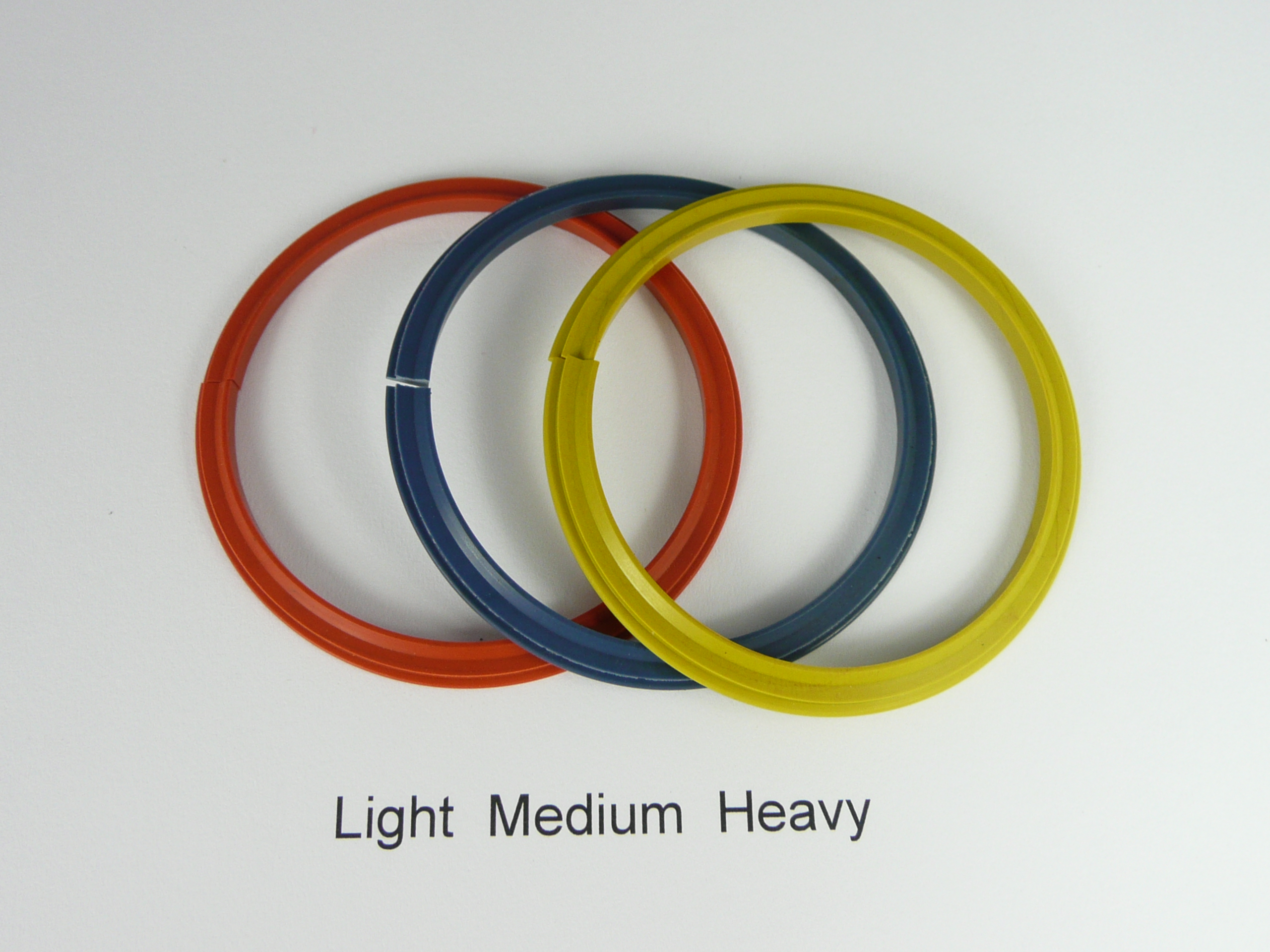 A setting you choose
The rubber settings
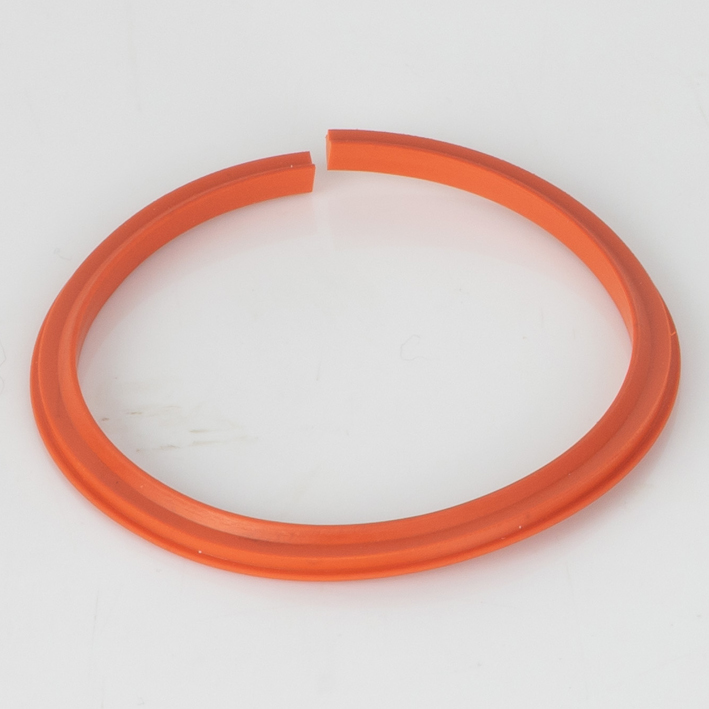
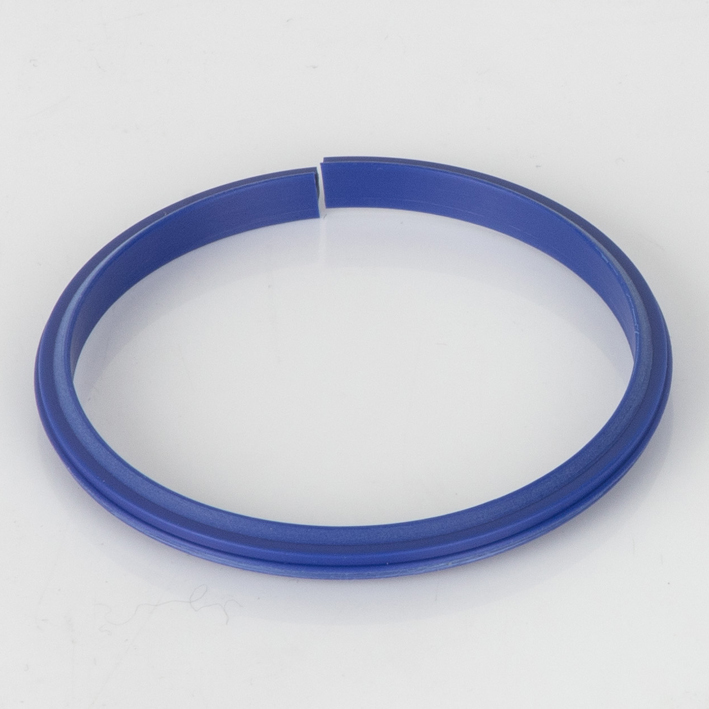
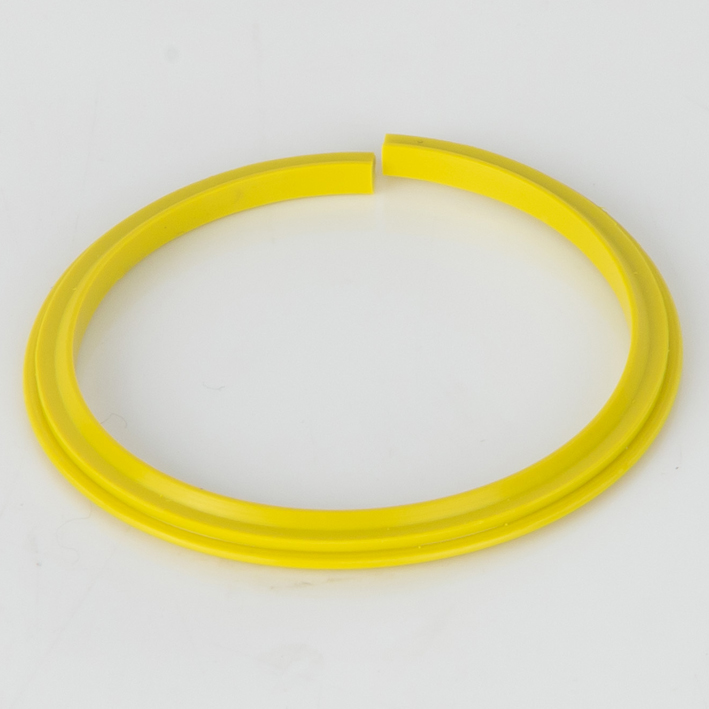
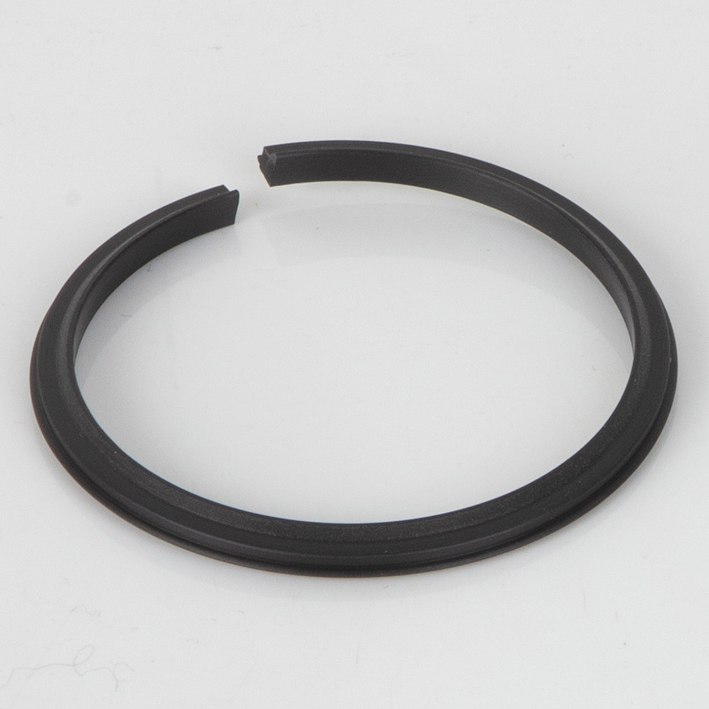
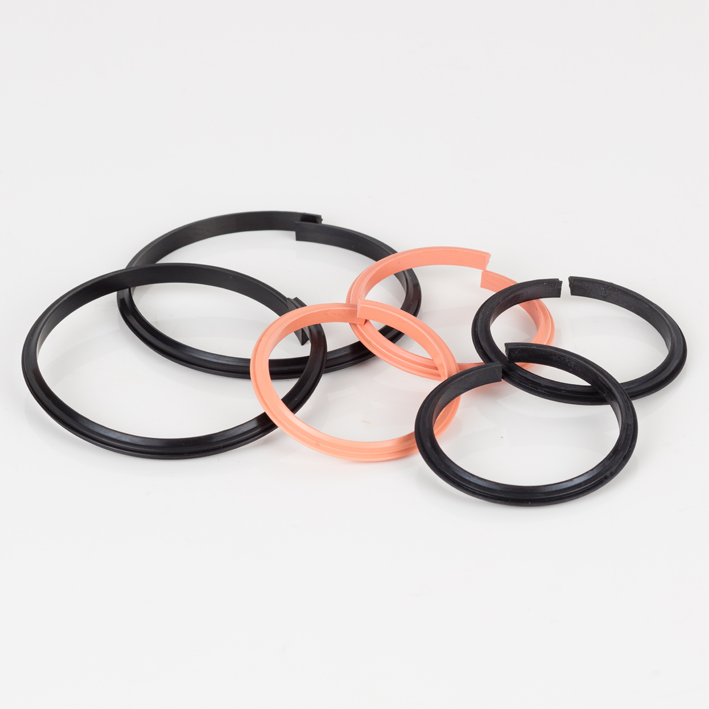
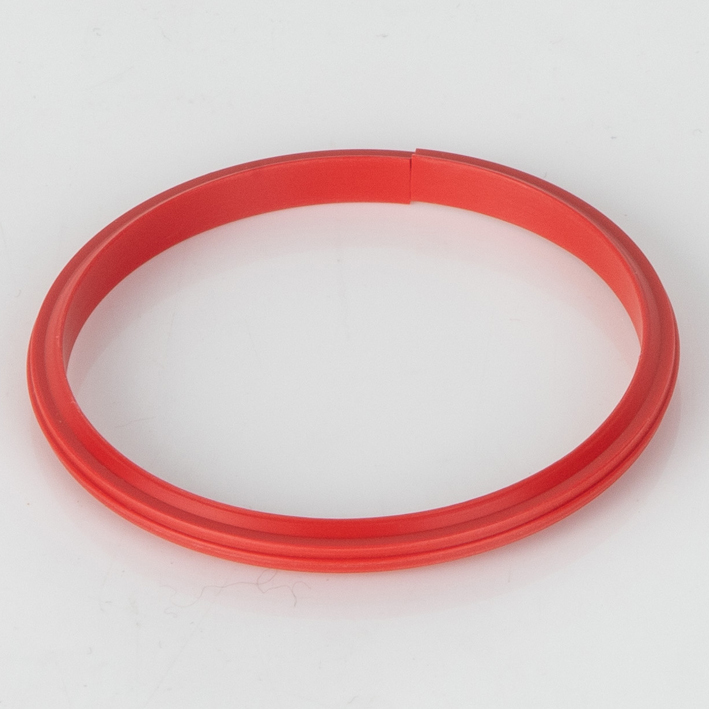
On a Quad-Creaser, everything the metal score locks in place becomes adjustable. The spine width follows the book's thickness, job to job. The hinge distances sit where the cover needs to open, fixed or fully adjustable. The crease profile comes from the band: rubber bands in a colour-coded ladder press crack-free creases matched to the stock, at light, medium or heavy pressure.
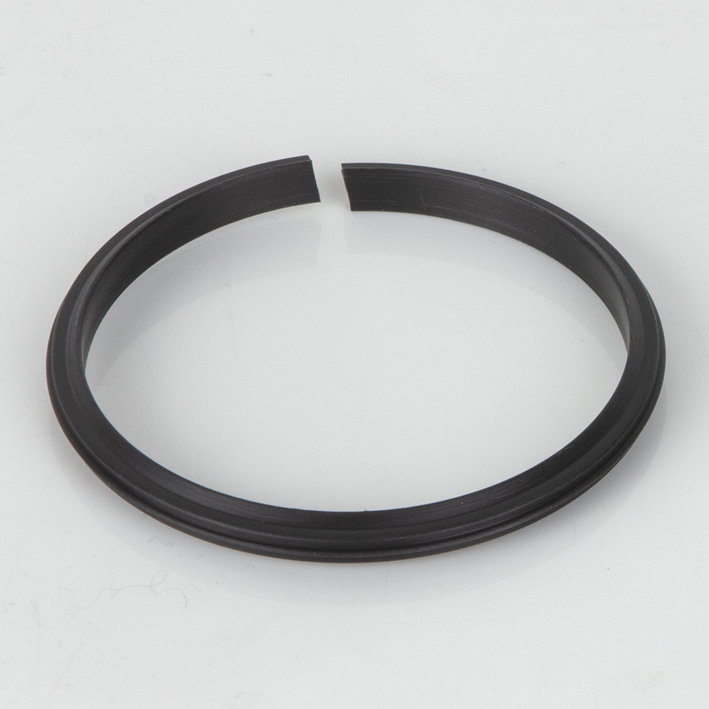
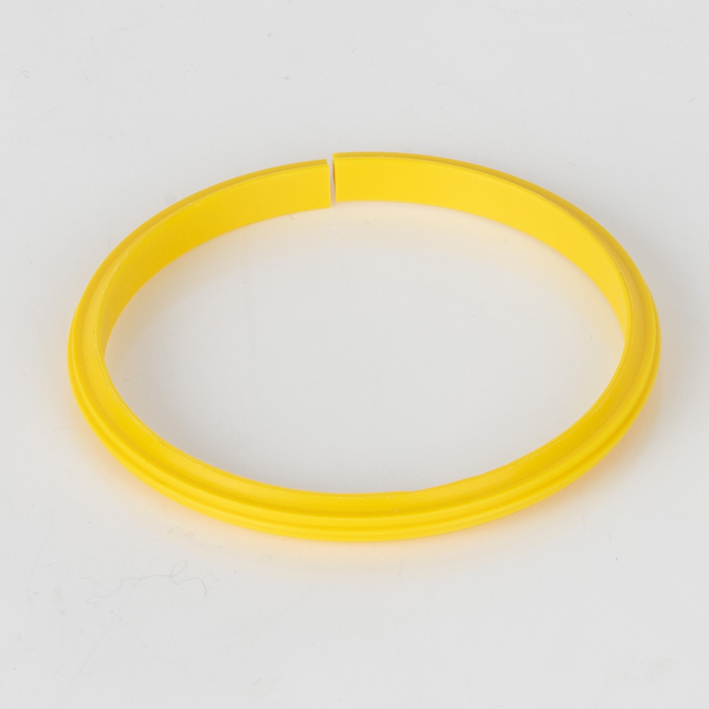
And when fibre cracking or laminate lifting is not the worry, the same tool takes plastic bands instead: harder profiles that press deeper, wider creases in a range of widths and depths, for work that wants a pronounced channel rather than a gentle one. Same shafts, same tool, a different crease in seconds.
The plastic options
No payment details. No commitment.
The facts
- Creases
- Four in one pass: two spine, two hinge
- Spine
- Width follows the book's thickness, job to job
- Hinges
- Fixed or adjustable distance, 2.5mm to over 10mm
- Bands
- Rubber colour ladder for crack-free work, plastic for deep, wide profiles
- Changeover
- Split bands swap in seconds, no shaft removal
- Fits
- Your binder's cover scoring shafts, no modification
Built for the binders you already run








And every perfect binder with standard cover scoring shafts. If yours is not listed, ask, the answer is usually yes.